Flea Dirt on Dogs: How to Get Rid of It?

 Sandra Tashkovska
•
Feb 17, 2026
Sandra Tashkovska
•
Feb 17, 2026
Noticed tiny black specks on your dog’s skin or bedding? That could be flea dirt. It often points to active fleas on your fur baby and at home. You shouldn’t leave it unattended, as it can lead to health and skin issues.
In this guide, you’ll learn how to identify it, how to get rid of it, and how to keep it from coming back. You’ll also get a plan for a fast and safe cleanup.
Why You Should Be Concerned by Flea Dirt
Flea dirt is your early heads-up that a full-on flea infestation is happening right now. Your dog starts scratching and chewing at bites. The skin gets red and irritated, and skin infections can develop. In severe cases, heavy flea infestations can even cause anemia.
Fleas spread into carpets, furniture, and bedding. They breed fast, so a small problem can turn into a big one really fast. Fleas can come with shoes, clothes, or a visiting pet. So, indoor dogs can still pick them up.
Let’s first sort out what you’re seeing, then clear it from your dog and your home.
How to Spot Flea Dirt on Dogs
Flea dirt is the poop left behind by fleas after they feed on your dog’s blood. It looks like ground black pepper sprinkled on your dog’s coat or skin. You may see it stuck at the base of hair, in the coat, or on bedding after your dog naps.
Adult fleas hide fast. Flea dirt often shows up before you catch a live one. If you find flea dirt, start treatment.
Many owners mix it up with regular dust or sand. It’s easy to do. But flea dirt is not harmless dirt. It’s a sign of fleas feeding on your dog.
Think tiny black or very dark brown specks. About the size of sand grains. Dry to the touch. Unlike normal dirt, flea dirt smears red when wet. That color shift tells you it contains blood.
Common Spots to Check
Check these areas in good light. Part the fur to see the skin.
-
Lower back
-
Base of the tail
-
Belly
-
Inner thighs
-
Behind the ears
A flea comb helps you see the dots and any live fleas.
The Sprinkle / Paper Towel Test
Grab a white paper towel or a cotton pad and wet it. Gently rub it over the black specks. Now check the towel. If you see a red or rusty smear, that’s flea dirt. No color change? You’re most likely looking at regular dirt.
Flea dirt is dark and uniform. It clusters in warm, hidden body zones.
Yard dirt often has mixed colors. You’ll find it anywhere your dog rolls or plays.
Repeat the paper towel test on different areas to make sure it’s flea dirt. If the red smear pattern repeats, it’s confirmed.
How to Get Rid of Flea Dirt on Dogs
Your cleanup plan should have two parts. First, remove whatever’s on your dog. Then, stop the fleas that are spreading around your house, so the specks don’t return.
Remove Flea Dirt from Your Pet
Bathe your dog with flea shampoo or a gentle medicated shampoo made for dogs. Work it into the coat and down to the skin. Let it sit for a few minutes if the label allows.
Comb with a fine-tooth flea comb. Pull the comb through small sections. Wipe the comb on a paper towel as you go.
Rinse your dog well. Dry with a clean towel or use low heat if you use a dryer.
Kill the Fleas on Your Dog
Use a vet-approved spot-on, oral tablet, collar, or spray. Pick a product that kills adults and breaks the life cycle. Follow product or vet guidance.
Dip your flea comb in soapy water or rubbing alcohol between strokes. This traps or kills live fleas on the comb.
Keep combing daily for several days. Stop when no new specks or live fleas appear.
If you’re looking for products, check Best Flea & Tick Treatments for Dogs to see the best options and how they work.
Clean Your Home
To break the cycle, you should thoroughly clean your house. Flea dirt can fall off your dog and land on soft surfaces. Eggs and larvae can hide there too.
-
Wash your pet’s bedding in hot water and dry it on high heat. Do this every few days at the start.
-
Vacuum carpets, rugs, furniture, and car seats. Empty the vacuum outside right after. Repeat often for a couple of weeks.
-
Mop hard floors. Get into corners and baseboards.
-
If fleas keep showing up, treat your yard too. Pay attention to shady areas, under decks, and along fences where pets like to rest.
Flea eggs can hatch over time, so if you clean consistently, you can win. Stick with the plan for at least three to four weeks.
How Often to Repeat Treatments
When fleas are active, comb your dog every day and give a gentle bath about once a week. It’s a good idea to check with your vet first to be sure your dog’s skin can handle regular bathing.
Stick to your flea product schedule without skipping a dose. Many products protect for about 30 days per application. Keep going for several months to finish flea dirt removal and keep long-term control.
Need gear that makes this faster? Look for combs, brushes, and other helpers.
Keep Flea Dirt From Coming Back
A clean dog today is great. A plan that keeps fleas off year-round is even better. Set up a simple routine that fits your life and keeps them from coming back.
Use Flea Prevention on a Schedule
Spot-ons, chewable tablets, or long-wear collars can protect for weeks at a time. Pick one solution and stick with it month after month.
Groom and Do Quick Coat Checks
A two-minute comb session after walks can catch trouble early. Keep a flea comb near your leash or food station as a reminder.
Yard Care in Peak Seasons
Short grass, fewer leaf piles, and clear shady hangouts make your yard less comfy for fleas.
Post-park and Hike Checks
Run your hands through the coat after dog parks, hikes, daycare, or boarding stays. Quick catches save you from a house-wide clean later.
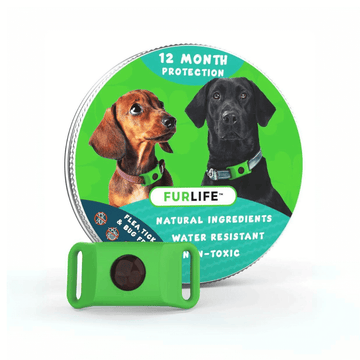
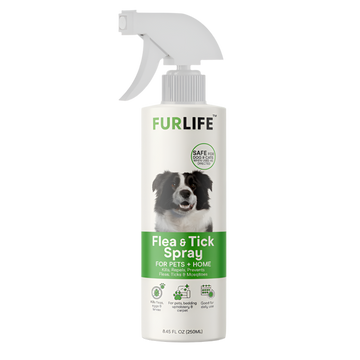
Need fast help right now? Furlife Shampoo and Furlife Spray can help you get rid of fleas and flea dirt and give short-term relief while you start a longer plan.
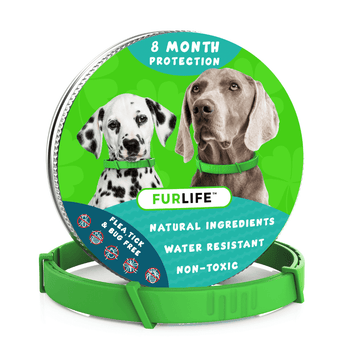
For ongoing protection, consider flea collars or smart pendants. Pick what matches your dog’s routine and your climate.
Signs You’re Winning
-
No new specks on skin, comb, or bedding
-
No live fleas on the comb after several days
-
Less scratching and calmer sleep
-
Clean the vacuum canister with fewer dark particles over time
-
Fresh-smelling bedding with no black dust after wash day
Keep going for a full month after the last sign. Eggs can hatch later, so steady prevention closes the loop.
When You Should See a Vet
Most flea problems go away with consistent home care and simple prevention. But sometimes you need a vet.
If you keep seeing fleas or flea dirt even after you’ve cleared your home, it’s time to get help. Book a visit if your dog is scratching hard or seems in pain. Or if you see hair loss, hot spots, or open sores. Other symptoms to look out for include pale gums, low energy, or no interest in food.
A vet can check your dog’s skin and rule out allergies, and recommend the right treatment based on their age, weight, and health.
Final Thoughts
Flea dirt looks small, but it sends a clear message. Fleas are feeding, and they can take over fast. You can stop it with a simple two-part plan. Clean your dog and your home, and use active protection. Short daily steps beat big cleanup days. Your dog feels better, and your house stays fresh.
If you need a fast start, Furlife Shampoo and Furlife Spray can help you clear the coat while you set up ongoing prevention. For longer protection, a good collar or pendant, plus a monthly prevention product, provides good coverage. Keep your flea comb ready and stick to your schedule.
FAQs
What does flea dirt look like on dogs?
Tiny black or very dark brown specks, like pepper. You’ll find it near the base of the tail, belly, or behind the ears. Wet it on a white paper towel, and it smears red or rust colored.
Will flea dirt go away on its own?
No. The dots return until you stop the fleas. You need two steps: clean the coat and kill the fleas. Then protect your dog so new dirt doesn’t show up again.
Is flea dirt harmful to my dog?
The specks themselves are waste. The concern is what they mean. If you see flea dirt, you have fleas at home. Their bites can cause itching and skin irritation, and if there are many, they can even lead to anemia or infections.
Can fleas live indoors year-round?
Yes. Eggs, larvae, and pupae can hide in carpets, furniture, and pet bedding. Heated homes give fleas a cozy spot even in winter.
How fast do fleas multiply?
Very fast. One female flea can lay dozens of eggs. Those eggs drop around your home and, within a few weeks, can turn into new adult fleas that bite.